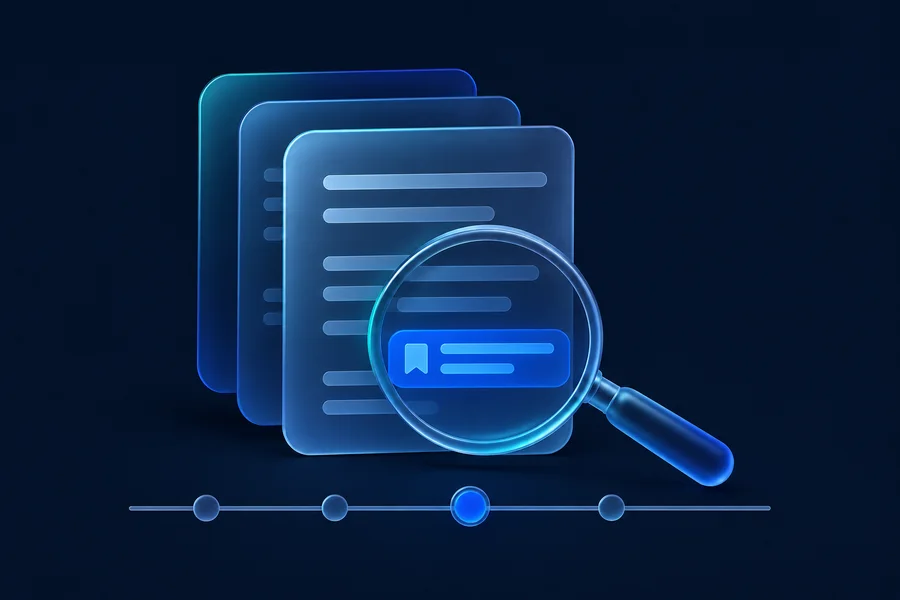
Evidence & source review
Organize communications, receipts, and account records. Record where each item came from and distinguish original material from copies or unverified statements.
Evidence registers · Source references · TimelinesA careful investigation starts with verifiable facts. Explore how evidence review, transaction analysis, and documented findings can help clarify suspected fraud.
Every situation is different. Recovery is not assured.
Professional tools are most useful alongside careful human review. The methods below illustrate an investigation workflow; the scope and tools for an actual engagement must be confirmed in writing.
Organize communications, receipts, and account records. Record where each item came from and distinguish original material from copies or unverified statements.
Evidence registers · Source references · Timelines
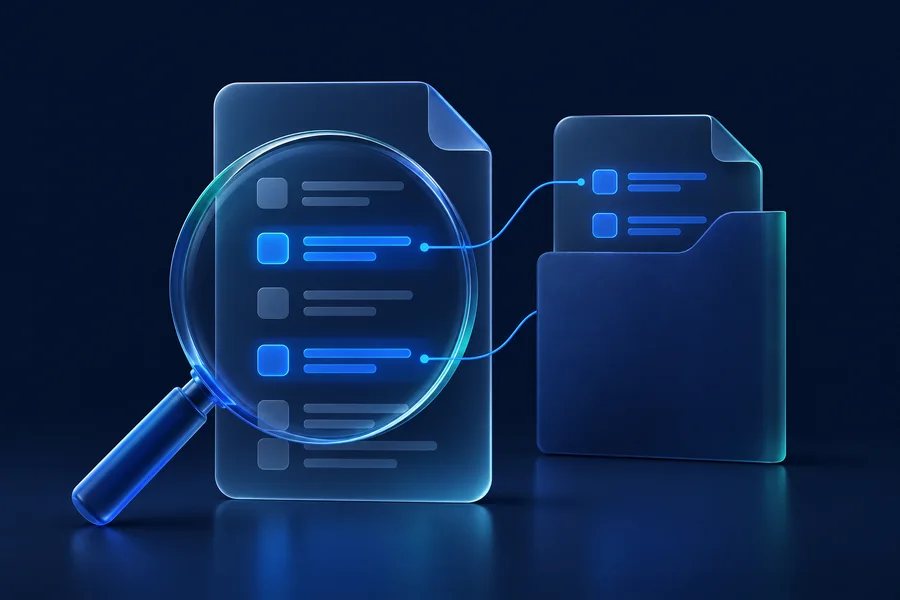
Map available transaction references and relationships. Where relevant, public blockchain explorers and link-analysis tools can help identify patterns for further review.
Transaction mapping · Relationship graphs · Cross-checks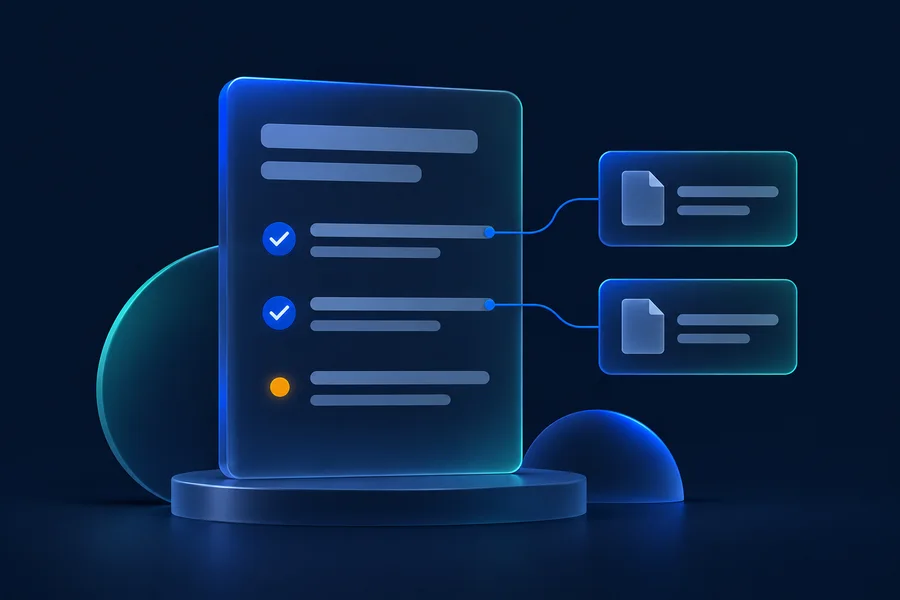
Connect findings to their supporting sources. Separate confirmed facts, working hypotheses, and information gaps so the next step rests on evidence.
Source-linked reports · Review notes · Limitations
Discuss the timeline, payment method, available records, and objectives. Establish a written scope and identify what can realistically be examined.
Keep source files, record dates and references, and build an evidence register. Handle only information relevant to the agreed review.
Review transaction paths and relevant public records with appropriate research and analysis tools. Corroborate potential links rather than treating a single signal as proof.
Document observations, supporting sources, uncertainty, and possible next steps. A report may support further discussions with payment providers or qualified advisers.
A useful investigation explains how a conclusion was reached, what supports it, and what still needs to be verified. Clear records and realistic expectations belong in the same process.
Tools can surface leads, but findings need source checks and human review. Unknowns should remain clearly labeled. No recovery amount or result is promised.
No service is purchased here. Obtain a written fee breakdown and service agreement from any provider before proceeding.
This site does not claim affiliation with banks, regulators, law enforcement, or payment networks.
Never share passwords, one-time codes, private keys, or wallet recovery phrases with a recovery service.
Clearpath Investigations is the starting point for investigation information and consultation requests. For client sign-in, continue to the Redress Direct portal.
You will leave Clearpath and open redress.direct in a new tab. Sign-in takes place on that website under its own terms and privacy information. Your consultation form details are not automatically transferred through this link.
redress.direct/auth
Sign in at Redress Direct ↗Already have portal access? Continue there to sign in.Important things to understand before considering fraud recovery support.
No. Recovery may not be possible. Any available route depends on the specific facts, payment method, relevant rules, and decisions of third parties. No provider can promise a particular result.
Depending on the case, a scoped investigation may use evidence registers, public-record and open-source research, transaction explorers, relationship mapping, and report preparation tools. No specific commercial software, certification, or access to private systems is claimed here. Confirm the actual toolset and investigator qualifications before engaging services.
A dated timeline, receipts, transaction references, relevant messages, website addresses, and previous report references may be useful. Keep originals and redact unnecessary sensitive details before sharing copies.
This website provides general information. It does not offer legal representation, financial advice, or official investigative services. Consult an appropriately qualified professional for advice specific to a situation.
Verify its legal business identity and contact details independently. Review written fees, scope, refund and cancellation terms, privacy practices, and any qualifications it claims. A request for additional money to unlock supposedly recovered funds is a reason to pause and independently verify the claim.
Use the consultation request form below to provide contact details and a brief summary. A request is not a confirmed appointment or an agreement to investigate. Do not include passwords, account numbers, identity documents, or wallet recovery phrases.
Keep the first discussion focused. Prepare these items for later review; no document upload is needed to request a consultation.

Share a brief overview so the initial conversation can focus on the circumstances and possible scope of review.

Submitting a request does not establish a client relationship, accept a case, or promise recovery. Any investigation requires a separate written agreement.